Sudan Conflict Escalates as RSF Intensifies Blockade and Battle for El-Fasher
The paramilitaries tightened their 14-month blockade after losing control of the capital Khartoum earlier this year, and stepped up their battle for el-Fasher, the last foothold of the armed forces in Darfur. The fighting escalated this week into one of the most intense RSF attacks on the city yet.
In the north and centre of the country where the army has wrestled back territory from the RSF, food and medical aid have begun to make a dent in civilian suffering.
But the situation is desperate in the conflict zones of western and southern Sudan.
Sudan war: A simple guide to what is happening
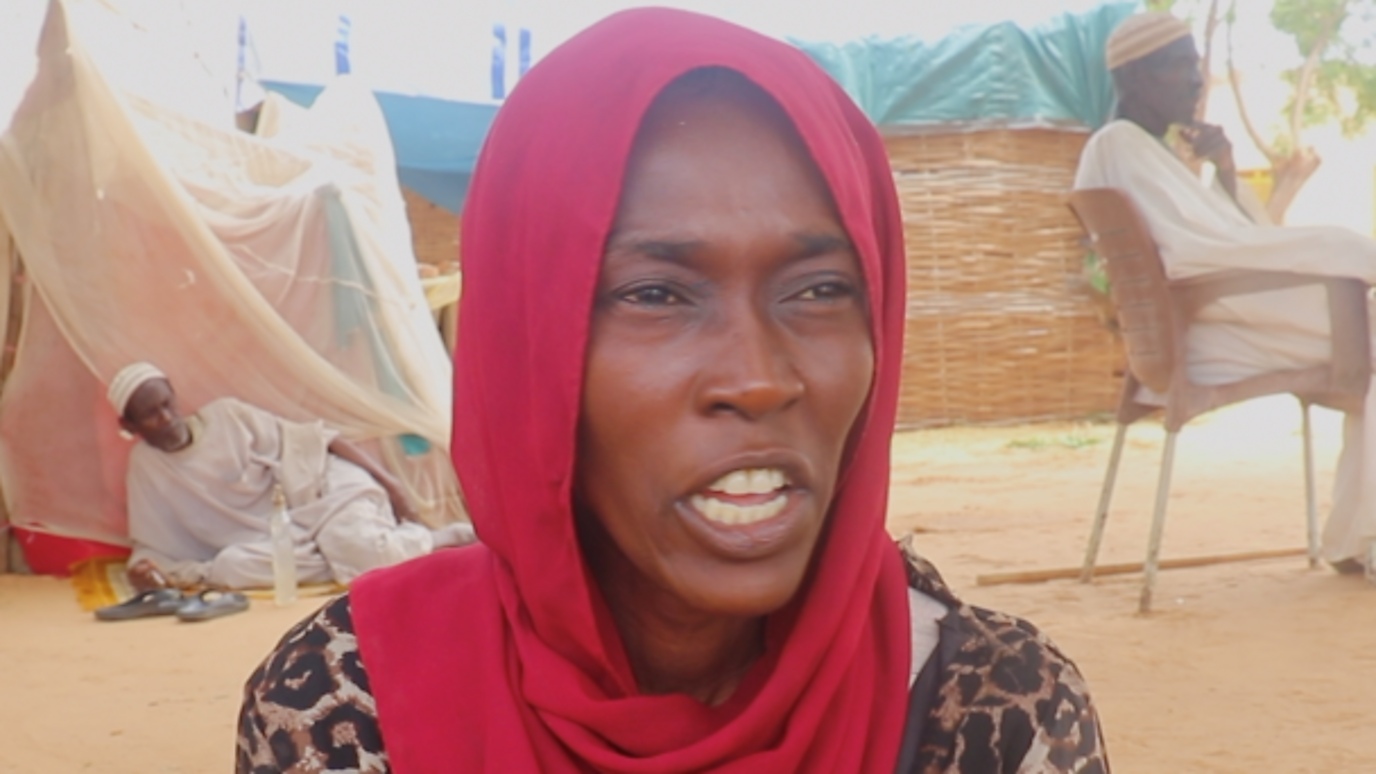
At the Matbakh-al-Khair communal kitchen in el-Fasher late last month, volunteers turned ambaz into a porridge. This is the residue of peanuts after the oil has been extracted, normally fed to animals.
Sometimes it is possible to find sorghum or millet but on the day of filming, the kitchen manager says: There is no flour or bread.
Now we've reached the point of eating ambaz. May God relieve us of this calamity, there's nothing left in the market to buy,
he adds.
The UN has amplified its appeal for a humanitarian pause to allow food convoys into the city, with its Sudan envoy Sheldon Yett once more demanding this week that the warring sides observe their obligations under international law.
The army has given clearance for the trucks to proceed but the UN is still waiting for official word from the paramilitary group.
RSF advisers have said they believed the truce would be used to facilitate the delivery of food and ammunition to the army's besieged militias
inside el-Fasher.
They have also claimed the paramilitary group and its allies were setting up safe routes
for civilians to leave the city.
The RSF have issued a statement denying widespread allegations that it was targeting civilians in el-Fasher, claiming that local armed groups in the city were using civilians as human shields.
For residents of the city, the battle is to remain alive during bombardments and scrounge what food they can.
Local responders can receive some emergency cash via a digital banking system, but it does not go very far.
The prices in the markets have exploded,
says Mathilde Vu, advocacy manager for the Norwegian Refugee Council.
Today, $5,000 [£3,680] covers one meal for 1,500 people in a single day. Three months ago, the same amount could feed them for an entire week.
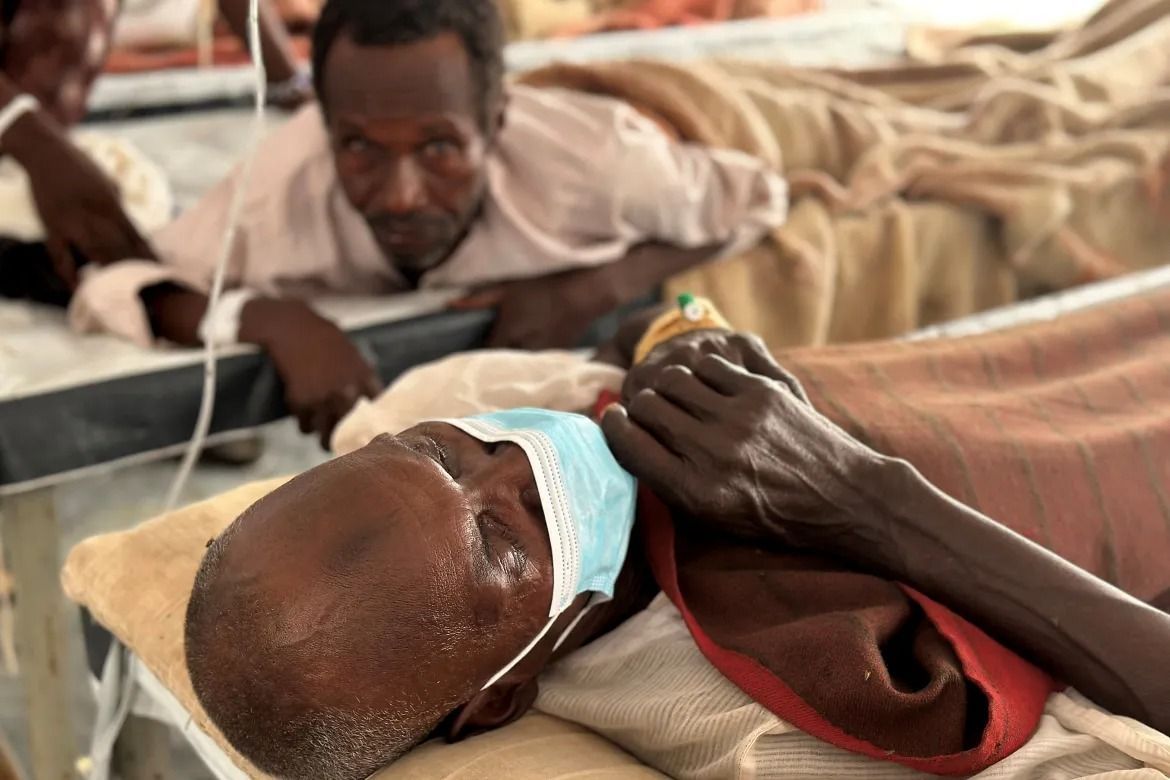
Doctors say people are dying of malnutrition. It is impossible to know how many – one report quoting a regional health official put the number at more than 60 last week.
If you’d like to read more and watch the video, visit: BBC News – Sudan war: A simple guide to what is happening